mundlesr's pick · Updated November 2026
Rich Dad Poor Dad
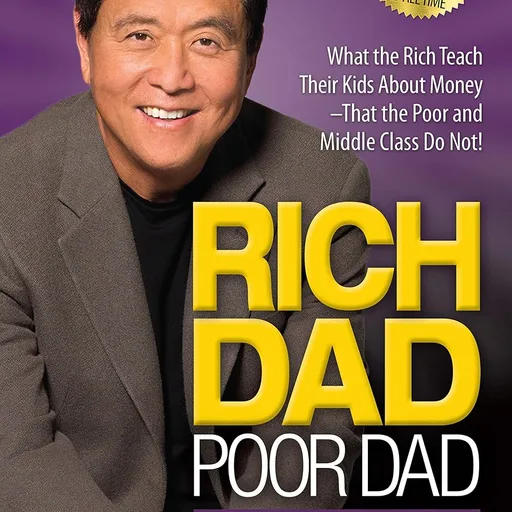

Rich Dad Poor Dad is usually considered by readers who want an easier entry point into personal finance ideas, especially people who are curious about money mindsets, cash flow, and the difference between earning income and building assets. It can appeal to someone who feels that standard financial advice has been too dry or too abstract, and who wants a book that frames money in a more conversational, opinionated way.
The main reason people keep coming back to it is that it pushes the reader to think differently about work, assets, liabilities, and long-term financial habits. That kind of framing can be useful if you are trying to get out of autopilot with money decisions. It may also suit readers who want a simple, memorable starting point before moving on to more detailed books on budgeting, investing, or business basics. The conversational style makes it easy to start, which matters for a topic many people avoid until they feel overwhelmed.
The tradeoff is that the book is often discussed as much for its ideas as for its practical precision, so readers should verify which parts they want to treat as mindset advice and which parts they want to test against outside sources. If you are looking for a step-by-step financial plan, a current investing manual, or a detailed explanation of taxes and markets, this may not be the right single book to rely on. It is better thought of as a perspective book than a complete money handbook.
Because there are no usage notes here, the evidence posture has to stay conservative. The safest way to evaluate it is to read it as a starting point, then compare its claims with more current personal finance material and with advice that matches your actual goals. A reader who wants a broad prompt to think about money differently may find value here, while a reader who wants technical guidance should confirm the book's ideas against newer, more specific sources.
This may fit someone who is early in their financial education, someone who wants a more motivational entry into the subject, or someone who is trying to decide what kind of money advice to trust next. It is less about proving a single method and more about deciding whether the book's framework helps you ask better questions. That is the right expectation to bring to it.
Amazon product links on this guide are not currently affiliate links. Neither mundlesr nor Buyer Field Guide earns an affiliate commission from them.
See current price